Blog

  • Kraken Exchange vs. Swift and CoinSpot: A Comprehensive Comparison for Australian Traders

    Introduction

    Overview of Kraken Exchange, Swift, and CoinSpot

    As the cryptocurrency market continues to thrive, Australian traders have a plethora of options when it comes to buying and selling digital currencies. Three prominent platforms stand out: Kraken Exchange, Swift, and CoinSpot. Each brings unique features to the table, appealing to various trader needs.

    • Kraken Exchange: Known for its extensive range of cryptocurrencies and advanced trading options.
    • Swift: Focuses on speed and efficiency but has its own set of complexities.
    • CoinSpot: A user-friendly interface that is particularly popular among beginners.

    Purpose of the Comparison for Australian Traders

    The aim of comparing these exchanges is to help Australian traders make informed decisions. By examining aspects like usability, security, and fees, traders can easily identify which platform best suits their trading style. For instance, a novice may prioritize a straightforward interface, while an experienced trader might look for enhanced features.

    Kraken Exchange

    Background and History

    Founded in 2011 by Jesse Powell, Kraken Exchange quickly established itself as a pioneer in the crypto trading space. The platform became a critical player by being one of the first to offer futures trading and margin trading services. Throughout its history, Kraken has emphasized security and compliance, becoming a preferred platform for serious traders.

    Features and Services

    Kraken offers an array of features that cater to different types of traders, including:

    • Advanced Trading Options: Margin and futures trading for experienced users.
    • Educational Resources: A responsive help center and learning materials for all skill levels.
    • Mobile App: Convenient trading on-the-go.

    Fees and Supported Cryptocurrencies

    When it comes to fees, Kraken operates on a tiered structure, which is competitive in the crypto market. They support over 50 cryptocurrencies, including:

    • Bitcoin (BTC)
    • Ethereum (ETH)
    • Litecoin (LTC)
    • Ripple (XRP)

    These attributes make Kraken a robust choice for traders looking for flexibility and a wide range of options.

    Swift

    Understanding Swift and Its Services

    Swift is particularly recognized for its speed and efficiency in processing transactions. Aimed primarily at experienced traders, it enables rapid trading, which is crucial in the volatile crypto market. Swift’s user-friendly interface allows easy access to essential tools, making it less intimidating for newcomers.

    Swift’s Advantages and Disadvantages for Australian Traders

    Although Swift has its appeal, it’s essential to consider both sides:

    Advantages:

    • Quick Transactions: Enjoy faster buy and sell orders.
    • Intuitive Interface: Streamlined experience for both beginners and pros.

    Disadvantages:

    • Limited Cryptocurrencies: Fewer options compared to competitors like Kraken.
    • Higher Fees: Transaction fees can be steep for frequent traders.

    Comparison with Other Exchanges

    While Swift excels in speed, it may fall short in features compared to Kraken and CoinSpot. For instance, Kraken offers more advanced trading options, while CoinSpot provides a larger variety of supported tokens. Australian traders should weigh these factors when deciding which platform best fits their trading needs.

    CoinSpot

    Overview of CoinSpot Exchange

    CoinSpot is one of Australia’s leading cryptocurrency exchanges, established in 2013. It’s often celebrated for its user-friendly platform, which appeals to new traders seeking an easy entry into the crypto world. CoinSpot’s commitment to compliance and transparency has built a solid reputation within the financial community.

    CoinSpot Features and Trading Options

    CoinSpot boasts a variety of features that enhance the trading experience:

    • Wide Cryptocurrency Selection: Supports over 300 cryptocurrencies.
    • Simple Interface: Makes navigating the platform straightforward for beginners.
    • Instant Trading: Quick execution of trades with minimal delay.

    Moreover, CoinSpot provides flexibility with options such as recurring buys, allowing users to automate their investing processes.

    CoinSpot’s Security Measures

    Security is paramount at CoinSpot. The platform implements robust measures, including:

    • Two-Factor Authentication (2FA): Enhances account security.
    • Cold Storage: Keeps most funds offline to prevent hacks.
    • Regular Audits: Ensures compliance with industry standards.

    These safety measures instill confidence in users, making CoinSpot a trusted choice for Australian traders looking to venture into cryptocurrency.

    Comparison Analysis

    User Interface and Usability

    When evaluating Kraken, Swift, and CoinSpot, user interface and usability stand out as crucial factors. CoinSpot leads with its intuitive design, making it perfect for beginners. Kraken offers advanced tools, ideal for experienced traders, while Swift focuses on speed but can be somewhat overwhelming for newcomers.

    Security Measures and Regulation Compliance

    In terms of security:

    • Kraken: Highly regarded for robust security protocols and regulatory compliance.
    • CoinSpot: Emphasizes safety with cold storage and regular audits.
    • Swift: While it prioritizes fast transactions, traders should vet its security reputation closely.

    Trading Fees and Payment Options

    Trading fees also differ significantly:

    • Kraken: Offers competitive tiered fees.
    • Swift: Generally charges higher fees due to its rapid transaction feature.
    • CoinSpot: Has a straightforward fee structure, but can accumulate for active traders.

    Payment options vary, with all three platforms accepting various methods, including bank transfers and credit cards.

    Customer Support and Reputation

    Lastly, customer support and reputation are vital metrics:

    • Kraken: Provides extensive resources, including a dedicated help center.
    • CoinSpot: Known for prompt responses, catering well to Australian customers.
    • Swift: Support options exist, but user feedback indicates there’s room for improvement.

    Overall, understanding these dimensions will help traders choose the exchange that best fits their needs.

    Pros and Cons

    Kraken Exchange Pros and Cons

    Kraken is celebrated for its robust features, but like any platform, it has strengths and weaknesses.

    Pros:

    • Wide Range of Cryptocurrencies: Supports numerous digital assets.
    • Advanced Trading Tools: Ideal for experienced traders seeking complex features.
    • Strong Security Measures: High compliance standards and multiple security layers.

    Cons:

    • Steeper Learning Curve: Beginners may find the interface daunting.
    • Occasional Outages: Users have reported downtime during peak trading times.

    Swift Pros and Cons

    Swift is known for its quick transactions, but it has its drawbacks.

    Pros:

    • Fast Transaction Speed: Perfect for those who need quick buys or sells.
    • User-Friendly Experience: Designed to facilitate quick trades with less hassle.

    Cons:

    • Limited Cryptocurrency Selection: Fewer options than competitors.
    • Higher Trading Fees: Frequent traders may find costs beneficial.

    CoinSpot Pros and Cons

    CoinSpot appeals to many for its straightforward approach but has its trade-offs.

    Pros:

    • User-Friendly Interface: Excellent for novice traders to navigate easily.
    • Diverse Selection of Cryptocurrencies: Over 300 options available.
    • Strong Customer Support: Known for responsive service.

    Cons:

    • Higher Fees for Active Traders: Fees can accumulate over frequent trades.
    • Less Advanced Trading Features: More limited tools compared to Kraken.

    Weighing these pros and cons will help traders make informed choices that align with their specific trading objectives and experience levels.

    Conclusion

    Summary of the Comparison

    In summarizing the comparison of Kraken, Swift, and CoinSpot, it’s evident that each platform caters to different trader needs. Kraken shines with its extensive range of cryptocurrencies and advanced features, making it ideal for seasoned traders. Swift excels in transaction speed but offers a limited selection of tokens. CoinSpot, with its user-friendly design and excellent support, is perfect for newcomers yet may come with higher fees for frequent transactions.

    Recommendations for Australian Traders

    For Australian traders, consider the following recommendations:

    • Choose Kraken if you’re experienced and desire diverse trading options with advanced tools.
    • Opt for Swift if speed is your top priority, especially for day trading.
    • Select CoinSpot if you’re new to the crypto world and value a supportive environment.
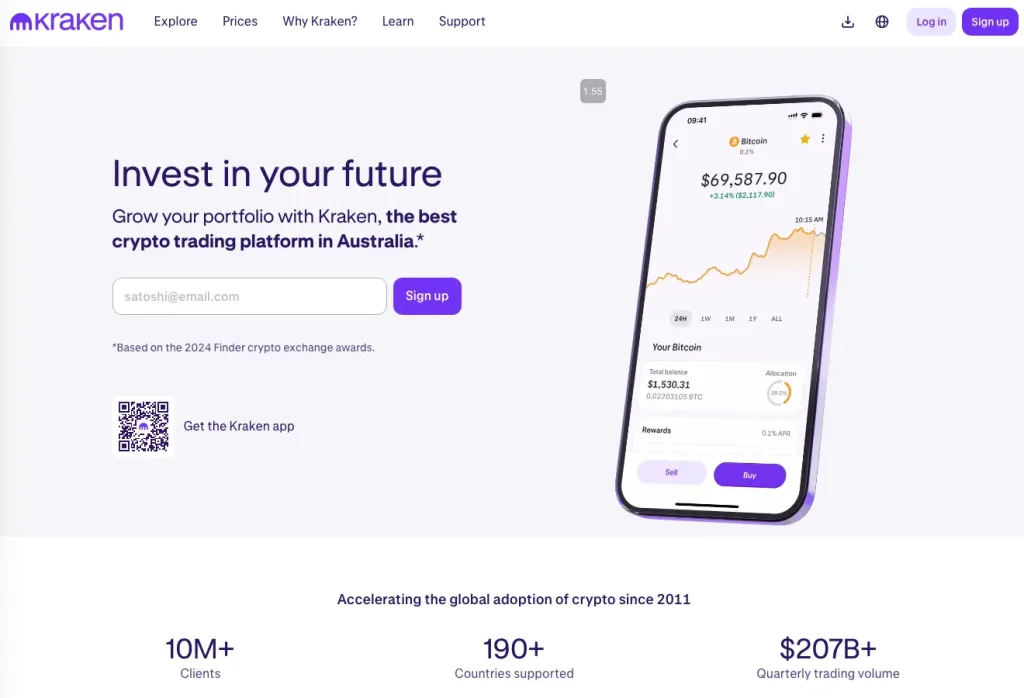
    Kraken Website

    Ultimately, the best choice hinges on individual trading goals and experience level.

  • The Rise of Cryptocurrency: Understanding the Basics

    Introduction

    What is Cryptocurrency?

    Cryptocurrency is a digital or virtual form of currency that uses cryptography for security. Unlike traditional currencies issued by governments, cryptocurrencies operate on decentralized networks based on blockchain technology. This means they are not controlled by any central authority, making transactions more secure and transparent.

    Significance of Cryptocurrency

    The significance of cryptocurrency extends beyond its ability to facilitate transactions. Here are a few key points:

    • Decentralization: Reduces reliance on banks and intermediaries.
    • Access: Provides financial services to the unbanked population.
    • Innovation: Stimulates advancements in technology and finance.

    For many, cryptocurrencies represent not just a financial tool but a movement towards a new economy. For instance, having invested in Bitcoin during its nascent days, I can personally attest to its potential for wealth generation.

    History of Cryptocurrency

    Early Development of Cryptocurrency

    The journey of cryptocurrency began in the late 20th century. The concept of digital currency surfaced, but it wasn't until 2008 that a revolutionary idea came to life. You'll find that Bitcoin, created by the mysterious Satoshi Nakamoto, marked the true beginning of this digital revolution.

    • 2008: Bitcoin's whitepaper was published, outlining a peer-to-peer electronic cash system.
    • 2009: The first block, known as the "Genesis Block," was mined.

    This introduction of Bitcoin sparked curiosity and innovation in the tech community, paving the way for future cryptocurrencies.

    Evolution of Cryptocurrency

    Since the birth of Bitcoin, cryptocurrency has evolved significantly. New coins, known as altcoins, began to emerge, each introducing unique features and purposes.

    For example:

    • Litecoin: Created in 2011, it aimed for faster transaction times.
    • Ripple: Focused on facilitating cross-border payments efficiently.

    These developments demonstrated how dynamic and adaptable the cryptocurrency landscape could be. As someone who watched this evolution unfold, it's fascinating to see how each new coin brought different functionalities to the table, enriching the entire ecosystem.

    How Cryptocurrency Works

    Blockchain Technology

    At the heart of cryptocurrency lies blockchain technology—a decentralized, digital ledger that records all transactions across a network of computers. This innovative system ensures transparency and security, making fraud nearly impossible. Each block in the chain contains a list of transactions and a unique cryptographic hash from the previous block, creating an unbreakable link.

    • Transparency: Everyone can view the transaction history.
    • Security: Cryptography protects data from tampering.

    Having explored various blockchain platforms, I've seen firsthand how this technology builds trust among users.

    Mining and Transactions

    Mining is the process that validates and adds transactions to the blockchain. In essence, miners solve complex mathematical problems, and in return, they earn cryptocurrency. This not only secures the network but also introduces new coins into circulation.

    • Transaction Process:
      1. A user initiates a transfer.
      2. Miners verify the transaction.
      3. The transaction is added to a new block.
      4. The block is linked to the existing blockchain.

    Understanding this process makes one appreciate the intricate workings behind cryptocurrency. I've often marveled at how efficiently transactions occur, enabling users to send and receive digital currencies across the globe in real-time.

    Types of Cryptocurrencies

    Bitcoin

    Bitcoin, often referred to as the first cryptocurrency, has set the standard for the entire industry. Created in 2009, it allows users to send and receive money anonymously across the globe. Bitcoin's finite supply of 21 million coins adds to its allure, making it a popular choice for long-term investment.

    • Key Features:
      • Largest market capitalization
      • Widely accepted for transactions
      • Strong brand recognition

    My earliest experience with Bitcoin taught me about its volatility and potential for growth, prompting me to delve deeper into the cryptocurrency realm.

    Ethereum

    Ethereum, launched in 2015, revolutionized the concept of blockchain by enabling smart contracts. These contracts automatically execute transactions when predetermined conditions are met, paving the way for decentralized applications (dApps).

    • Key Features:
      • Facilitates various applications and services
      • Ether (ETH) is the native currency
      • Supports decentralized finance (DeFi) projects

    I remember the excitement surrounding the launch of Ethereum, as developers saw endless possibilities for applications, transforming the blockchain landscape forever.

    Altcoins

    Beyond Bitcoin and Ethereum, a multitude of altcoins exists, each serving unique purposes and targeting different markets. Altcoins can encompass everything from privacy-focused cryptocurrencies to stablecoins pegged to traditional currencies.

    • Examples of Popular Altcoins:
      • Litecoin: Faster transactions than Bitcoin.
      • Ripple: Focused on banking sector transactions.
      • Cardano: Prioritizes scalability and sustainability.

    Exploring various altcoins has truly broadened my understanding of potential investment opportunities. Each alternative coin presents unique strengths that can cater to diverse investor needs and preferences in the cryptocurrency ecosystem.

    Benefits and Risks of Cryptocurrency

    Advantages of Cryptocurrency

    Cryptocurrency offers numerous advantages that make it an appealing option for many users and investors. Here are some benefits worth noting:

    • Decentralization: Reduces reliance on financial institutions, leading to greater autonomy.
    • Lower Transaction Fees: Especially for cross-border transactions, cryptocurrencies generally impose fewer fees than traditional banks.
    • Fast Transactions: Transfers can be completed in minutes or even seconds, unlike the slower banking processes.

    In my experience, using cryptocurrency for international purchases was incredibly efficient—truly eye-opening compared to conventional methods.

    Risks and Challenges Associated

    Despite its benefits, cryptocurrency comes with a set of risk factors and challenges that potential users should consider:

    • Volatility: The value of cryptocurrencies can fluctuate dramatically within short periods.
    • Security Concerns: Hackers and scams can lead to significant losses for unprotected wallets.
    • Regulatory Uncertainty: Changing regulations can impact the legality and usage of cryptocurrencies in various jurisdictions.

    Reflecting on my own challenges, navigating the unpredictable cryptocurrency market can be daunting, highlighting the importance of thorough research and awareness of risks before investing.

    Cryptocurrency Exchange Platforms

    Popular Exchange Platforms

    To engage with cryptocurrencies, you'll need to utilize exchange platforms where buying and selling occur. Some of the most popular exchanges include:

    • Coinbase: User-friendly interface, great for beginners.
    • Binance: Offers a vast selection of cryptocurrencies with competitive fees.
    • Kraken: Known for its security measures and advanced trading features.

    Personally, I found Coinbase to be the perfect starting point in my cryptocurrency journey because its intuitive design made the signup process seamless.

    How to Buy and Sell Cryptocurrency

    Buying and selling cryptocurrency can be straightforward if you follow these steps:

    1. Create an Account: Sign up on your chosen exchange and complete the verification process.
    2. Deposit Funds: Link your bank account or use a credit card to fund your account.
    3. Choose Your Cryptocurrency: Select the cryptocurrency you want to buy or sell.
    4. Initiate the Transaction: Enter the amount and confirm your order.

    Through my experience, the process felt liberating—whether buying Bitcoin or selling Ethereum, it opened up new financial avenues for me. Just remember to review your transaction details before confirming to ensure accuracy!

    Regulations and Future of Cryptocurrency

    Current Regulations

    As cryptocurrencies gain traction, governments around the world are implementing regulations to ensure consumer protection and financial stability. Current regulations vary significantly by country, with some nations embracing cryptocurrencies, while others impose strict restrictions.

    • United States: The SEC oversees securities and may classify some cryptocurrencies as securities.
    • European Union: New frameworks aim for transparency and anti-money laundering compliance.

    Navigating these regulations has been interesting; I remember feeling uncertain about trading in certain markets due to local laws, emphasizing the need for awareness in the crypto space.

    Future Trends and Predictions

    Looking ahead, several trends could shape the future of cryptocurrency:

    • Increased Regulation: As governments seek to regulate the market, expect clearer guidelines that may enhance legitimacy.
    • Mainstream Adoption: More businesses accepting cryptocurrencies could push them into everyday transactions.
    • Technological Advancements: Innovations like DeFi (Decentralized Finance) and NFTs (Non-Fungible Tokens) are likely to gain momentum.

    From my perspective, these potential trends signal an exciting yet challenging path for cryptocurrencies. Staying informed and adaptable will be critical for anyone looking to navigate this ever-evolving landscape.

    Investing in Cryptocurrency

    Investment Strategies

    Investing in cryptocurrency can be thrilling, but it’s essential to approach it strategically. Here are some effective investment strategies:

    • HODLing: Buy and hold for the long term, disregarding short-term market fluctuations.
    • Dollar-Cost Averaging: Invest a fixed amount regularly, reducing the impact of volatility.
    • Diversification: Spread your investments across different cryptocurrencies to mitigate risks.

    In my journey, I’ve found dollar-cost averaging to be particularly useful, allowing me to accumulate assets methodically without worrying too much about the market's ups and downs.

    Risks and Rewards

    Like any investment, cryptocurrency carries both risks and rewards worth considering:

    • Rewards:

      • High Returns: Potential for significant gains compared to traditional investments.
      • Portfolio Diversification: Adds another asset class to your investment strategy.
    • Risks:

      • Market Volatility: Price swings can lead to significant losses.
      • Regulatory Changes: Evolving laws could impact the value and legality of certain cryptocurrencies.

    Reflecting on my own experiences, understanding these risks and rewards has helped me navigate the sometimes turbulent waters of cryptocurrency investing, making informed decisions along the way. Being aware of these factors not only builds confidence but also sharpens one's investment acumen.

    Conclusion

    Recap of Cryptocurrency Basics

    As we've explored, cryptocurrency represents a groundbreaking shift in how we perceive and manage money. We've covered essential topics such as:

    • Definition and importance: Cryptocurrencies operate on decentralized networks, enhancing security and accessibility.
    • Major players: Bitcoin, Ethereum, and various altcoins have carved out significant niches.
    • Investing strategies: Options like HODLing and dollar-cost averaging can help navigate the market.

    It’s fascinating to tie these threads together and see how interconnected they are in the broader financial ecosystem.

    Final Thoughts

    In my journey through the world of cryptocurrency, I've witnessed both its challenges and rewards. Staying informed and prudent is crucial as you engage with this evolving landscape.

    Remember to:

    • Practice due diligence.
    • Keep up with regulatory changes.
    • Diversify your investments.

    Ultimately, cryptocurrencies are more than just an investment; they are a testament to innovation and financial evolution. Embrace the opportunities while being mindful of the challenges, and you’ll navigate this landscape more confidently.